CLEAR
Crisp detail
Clean color
Harder directional shadows
FLIGHTLINE INTELLIGENCE
Before the shutter is pressed, the flightline is already speaking. Read the light. Read the weather. Read the aircraft’s path. Then decide where the camera belongs.
009.1 • THE PHOTOGRAPHER’S ADVANTAGE
Understanding airport traffic flow gives the aviation photographer a major advantage. Taxi, run-up, departure, pattern work and rollout create a rhythm. When you know the runway in use and understand the local traffic pattern, you can anticipate where an aircraft may appear and prepare your composition before the decisive moment.
Always observe from an authorized location and follow airport rules. Photography never takes priority over safe aircraft operations.
009.2 • WEATHER / LIGHTING QUICK REFERENCE
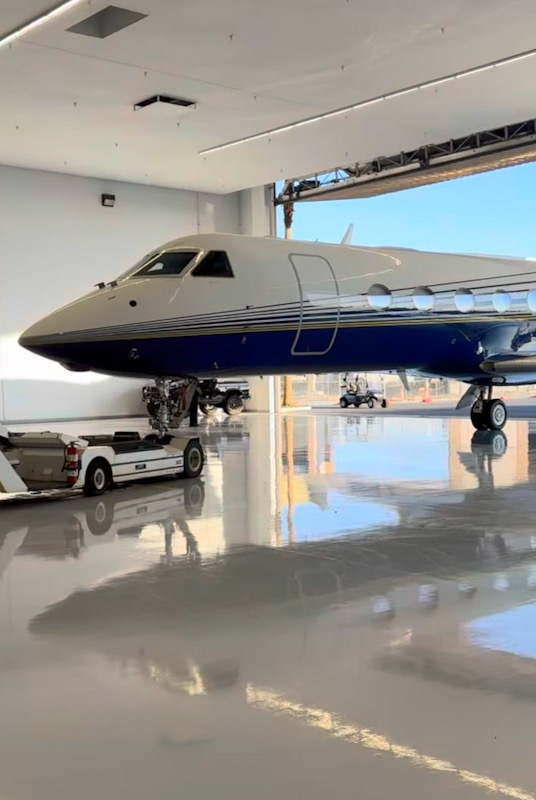
It changes aircraft movement, runway use, contrast, background texture and the emotional character of the frame.
Crisp detail
Clean color
Harder directional shadows
Dramatic backdrops
Texture and depth
Fast-changing light
Soft, diffused light
Reduced contrast
Even fuselage detail
Runway operations may change
Expect changing aircraft position
Protect gear and footing
Warm directional tones
Long shadows
Rich metallic reflection
Harsh shadows
Glare and reflections
Watch bright fuselage highlights
Cool, moody tones
Cinematic skies
Ramp lights gain presence
FIELD NOTE
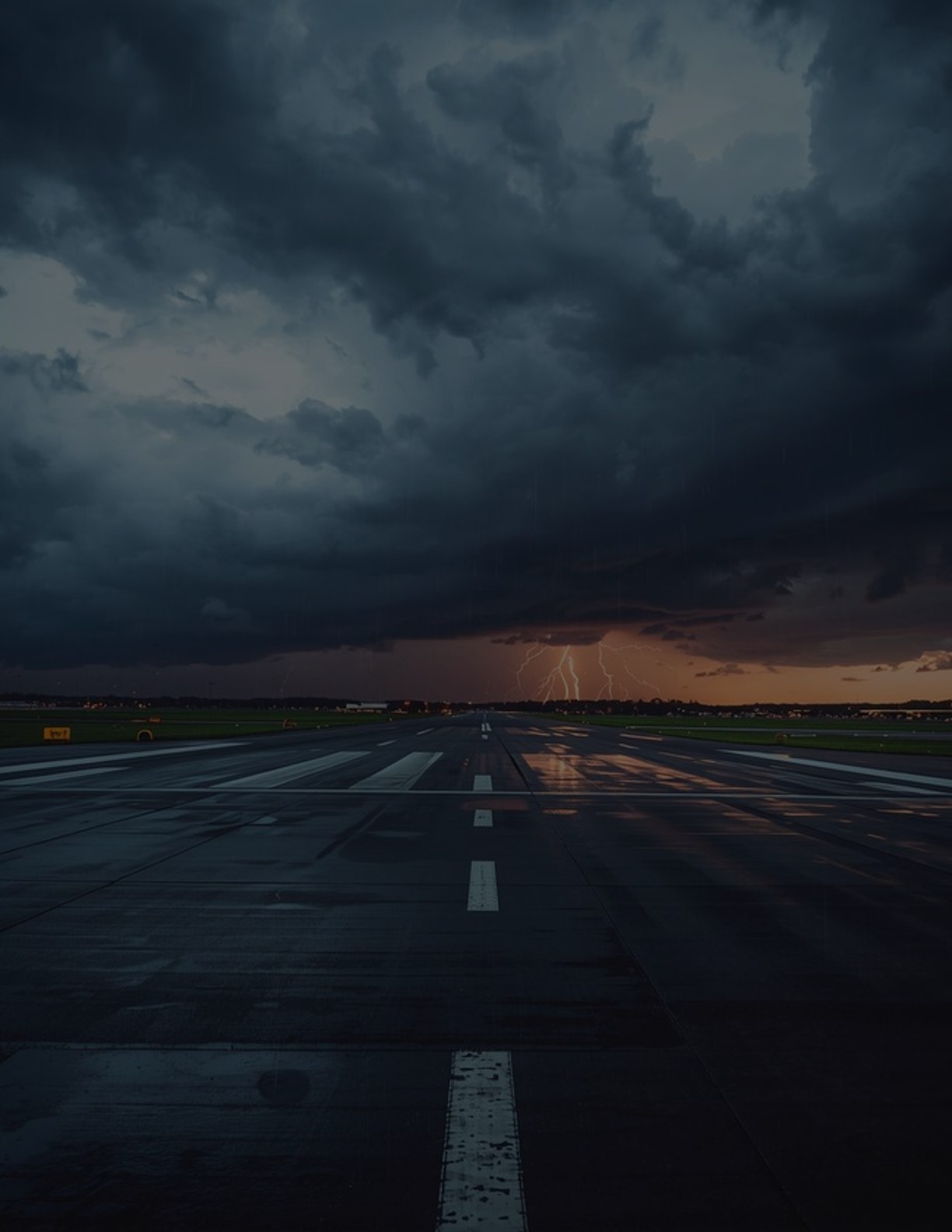
A stormy sky can become a powerful background, but safety and airport operations come first. Treat changing conditions as information—not simply decoration.
009.3 • ANGLE & EMOTION
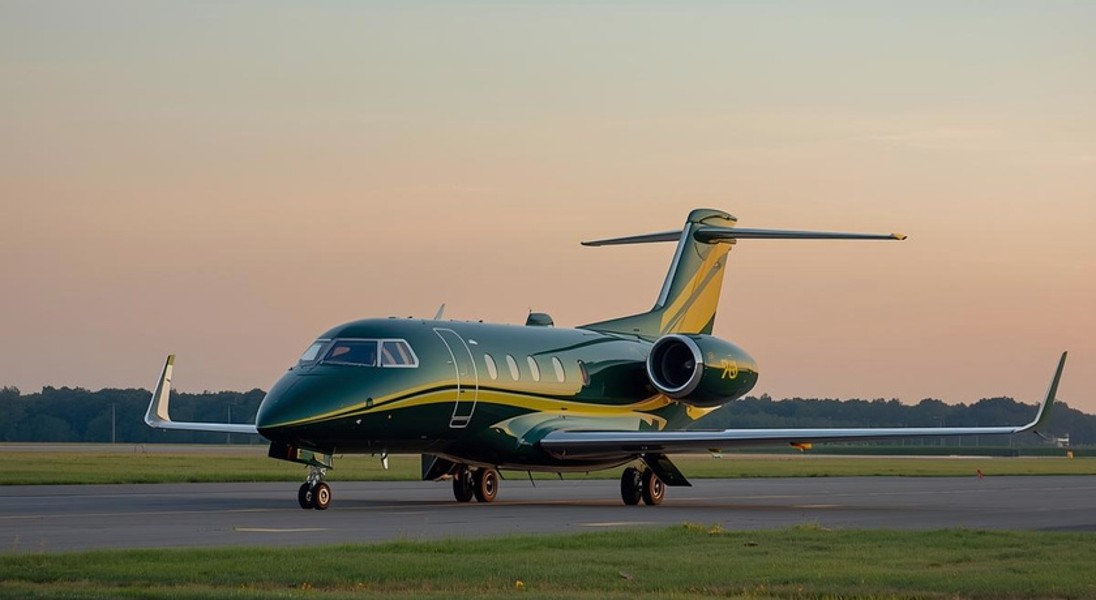
Low viewpoints can increase visual authority by placing the nose, landing gear and wing geometry against open sky. A three-quarter angle reveals depth. A longer focal length can compress the background and isolate the aircraft; a wider view can give runway, weather and horizon a storytelling role.
The EOS R7 gives the aviation photographer fast subject tracking, useful reach from its APS-C sensor and enough resolution to preserve aircraft detail. Pair it with the focal length that serves the scene: use wider glass when the environment matters and telephoto reach when distance, safety boundaries or compression define the photograph.
Lens choice should follow access, distance and composition. USM autofocus can be valuable for responsive tracking, but the strongest image still begins with position, timing and light.
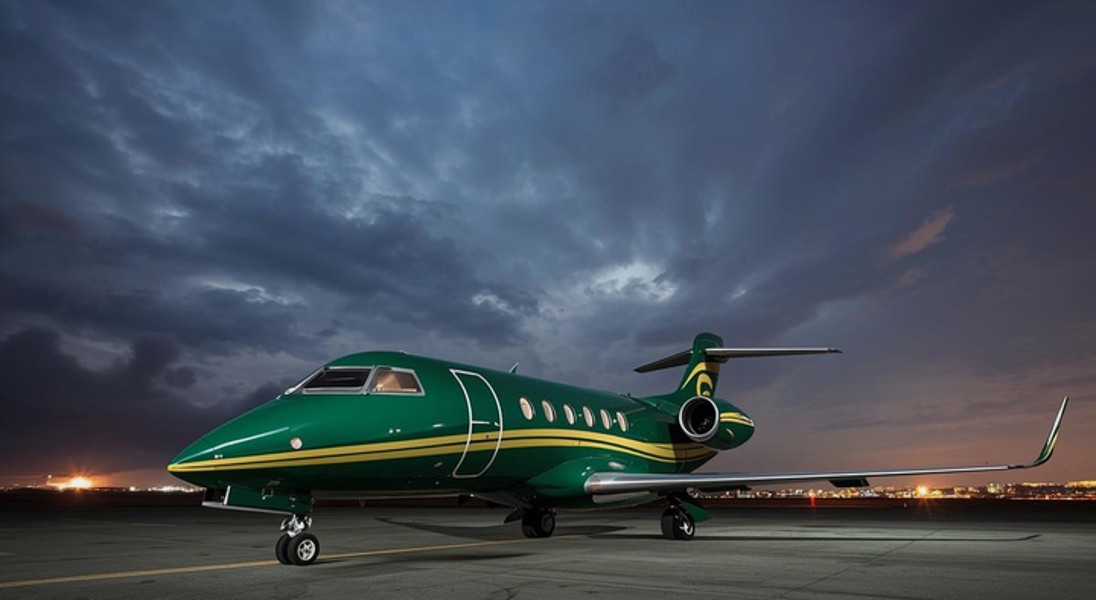
009.4 • ENVIRONMENTAL STORYTELLING
Clouds, runway lights, hangars, distant horizon and reflected pavement are not clutter when they support the story. They tell the viewer whether the aircraft feels ready to depart, newly arrived, isolated, elegant, powerful or caught between weather systems.
“The aircraft is the eye candy. The environment tells us why the moment mattered.”
009.5 • AIRPORT PROCEDURES
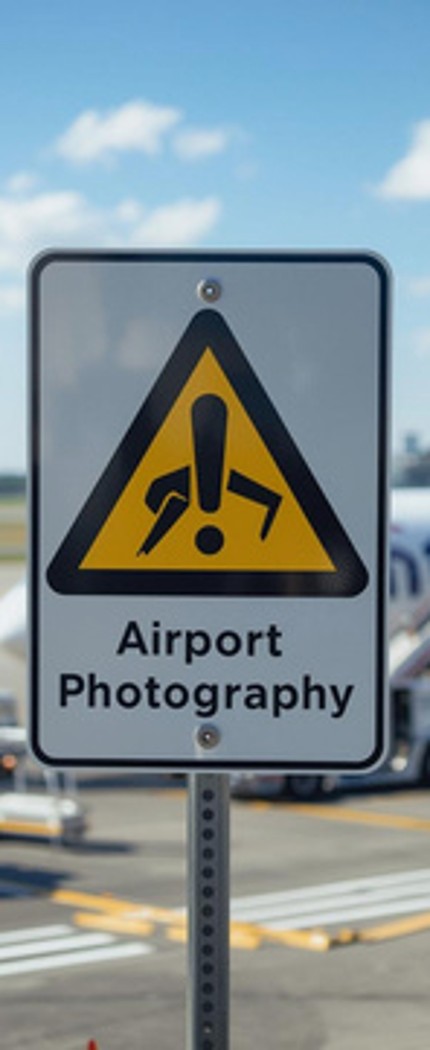
Aviation photography demands respect for airport rules and safety protocols. Remain outside marked safety zones unless specifically authorized, never enter an active runway or movement area without proper authorization, and follow escort, ramp and high-visibility requirements.
Stay clear of propeller arcs, jet blast and moving aircraft. Follow marshaller and airport staff instructions. Good ramp etiquette protects you, flight crews and the opportunity to photograph there again.
009 • FINAL FRAME
Light & Shadow Academy is not about chasing aircraft with a camera. It is about learning to recognize the moment before everyone else sees it.