01
Direction of Light
Learn how front, side and back lighting reshape depth, texture and mood.
Open Lesson 001 →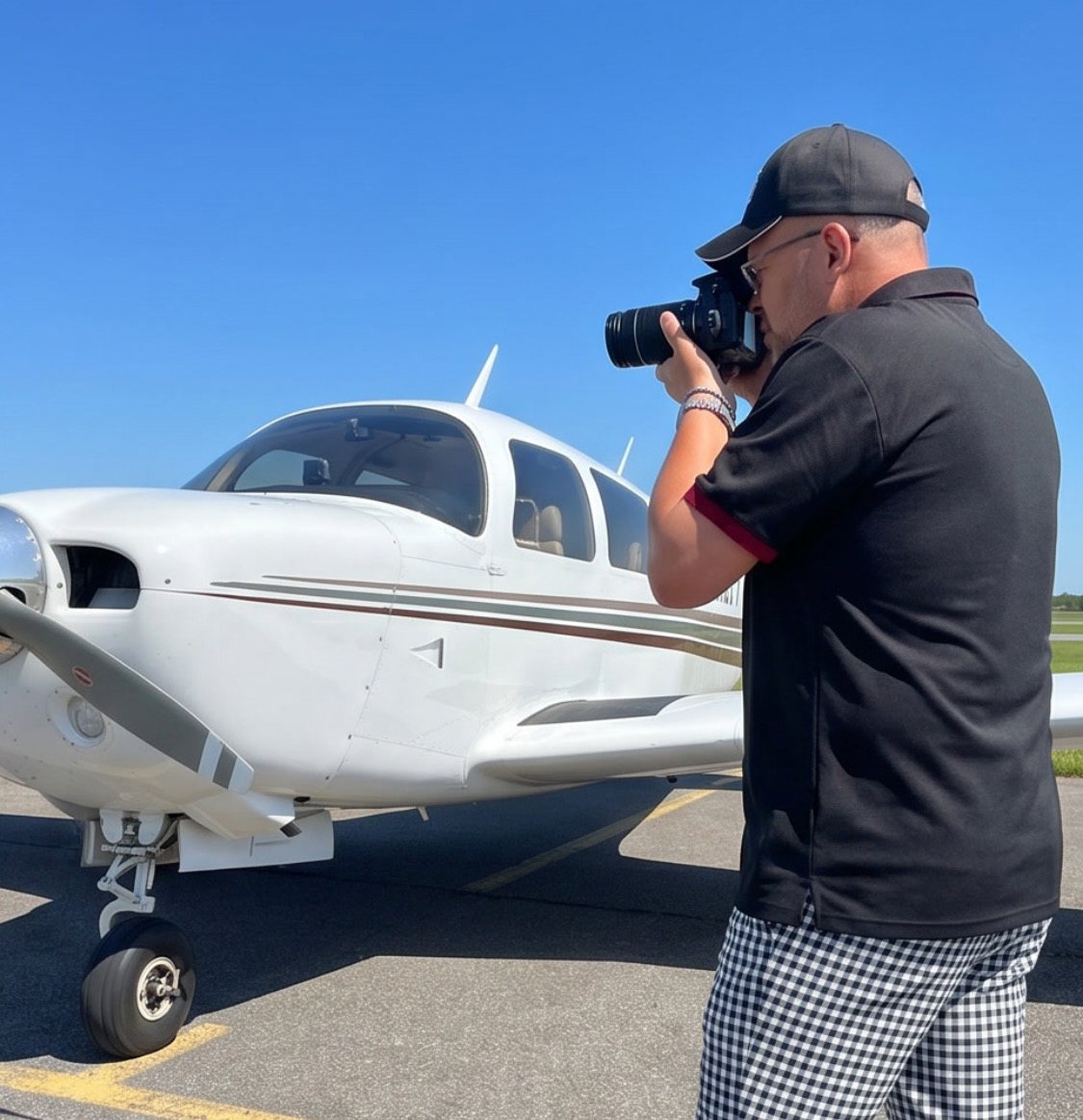
An interactive photography experience built from real aviation images, practical lighting studies and the eye of Mark LT Pro.
Welcome to the Light & Shadow Academy—an interactive learning experience from MarkLTProductions. Explore how photographers shape dimension, mood, drama, texture and emotion before the shutter is ever pressed.
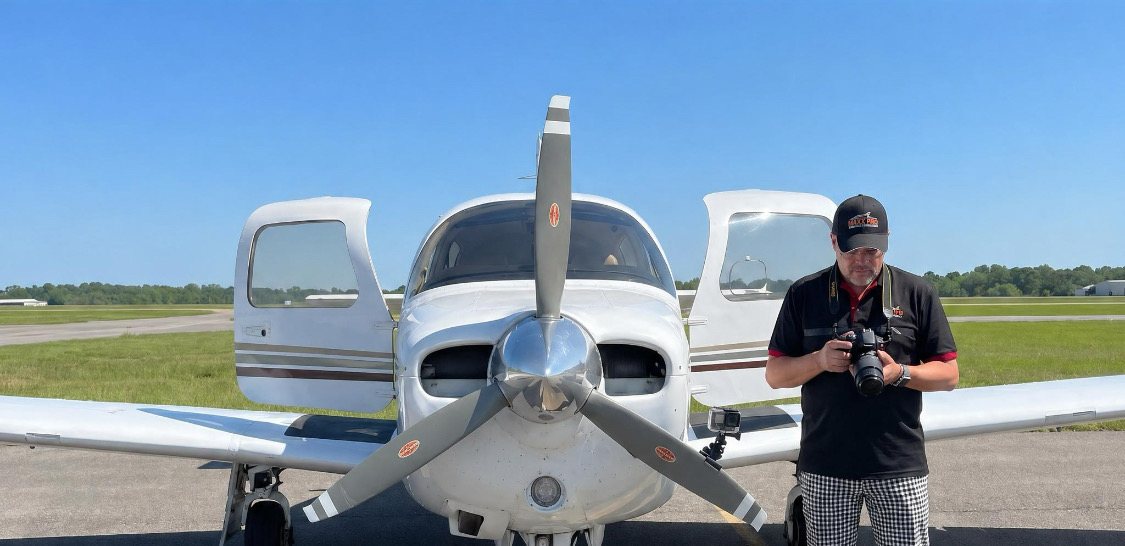
Learn to recognize light before you press the shutter.
AIM • FRAME • CLICK™
Move beyond the lighting lesson and into the photographer's complete flightline workflow—gear, light, composition, motion, pre-shoot planning, editing, safety and field intelligence.
Step onto the ramp after sunset and study how hangar spill light, reflections, deep shadows and aircraft surfaces create presence on the tarmac. This session uses Mark LT Pro's blue-jet night studies, daylight references, white-jet close-ups and verified Canon EOS R7 metadata.
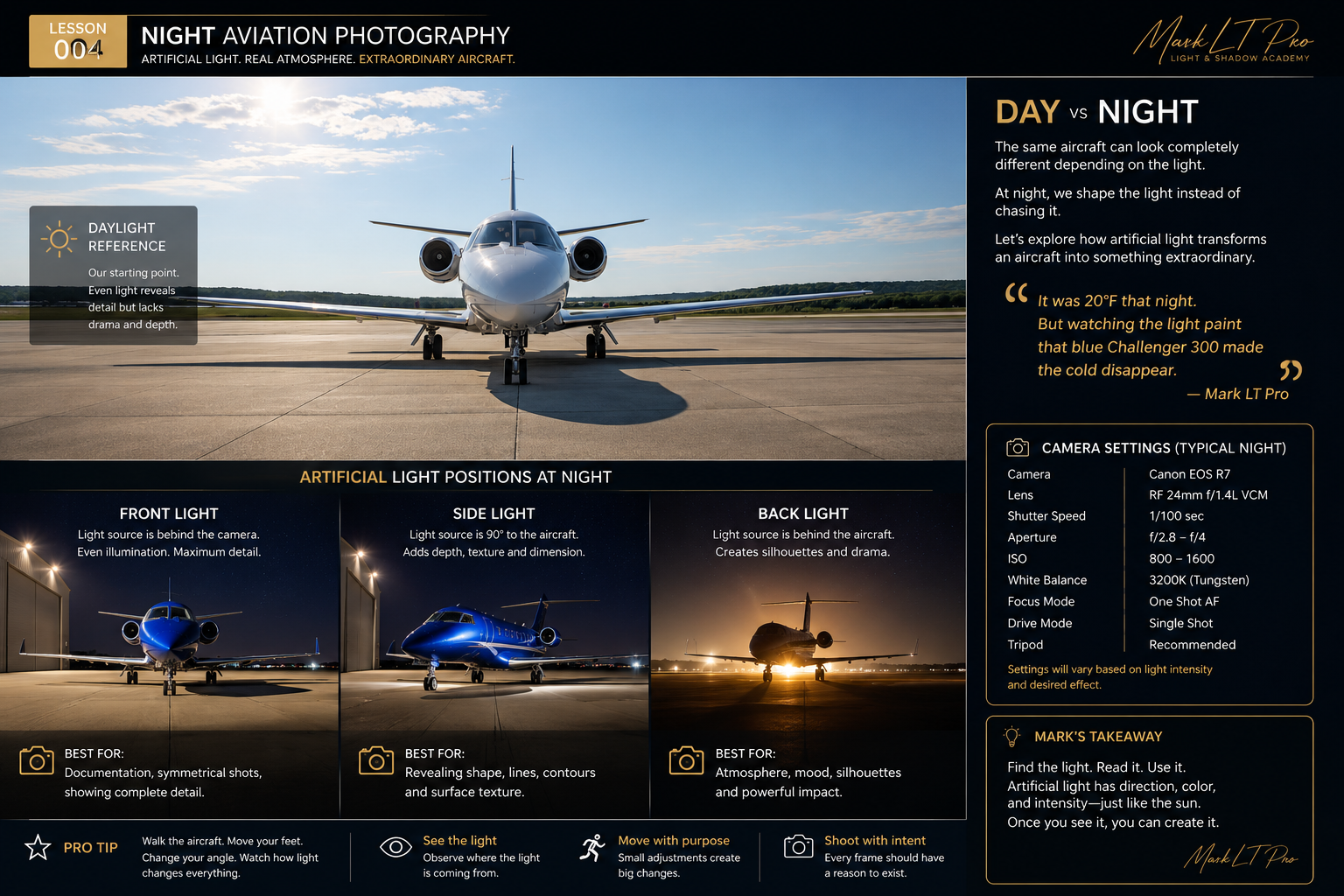 Flightline Session 004 →
Select a lesson to load it into the interactive Light Lab and see how the placement, softness and color of light changes the subject.
Learn how front, side and back lighting reshape depth, texture and mood.
Open Lesson 001 →Control the visual distance between highlights and shadows.
Separate your subject from the background with a luminous edge.
Use a 90-degree light position to create mystery and drama.
Shape warm, directional light during the first and final hour of daylight.
Balance cool ambient light with glowing practical lights and reflections.
Continue into Night Aviation →Understand how source size changes shadow edges, texture and skin detail.
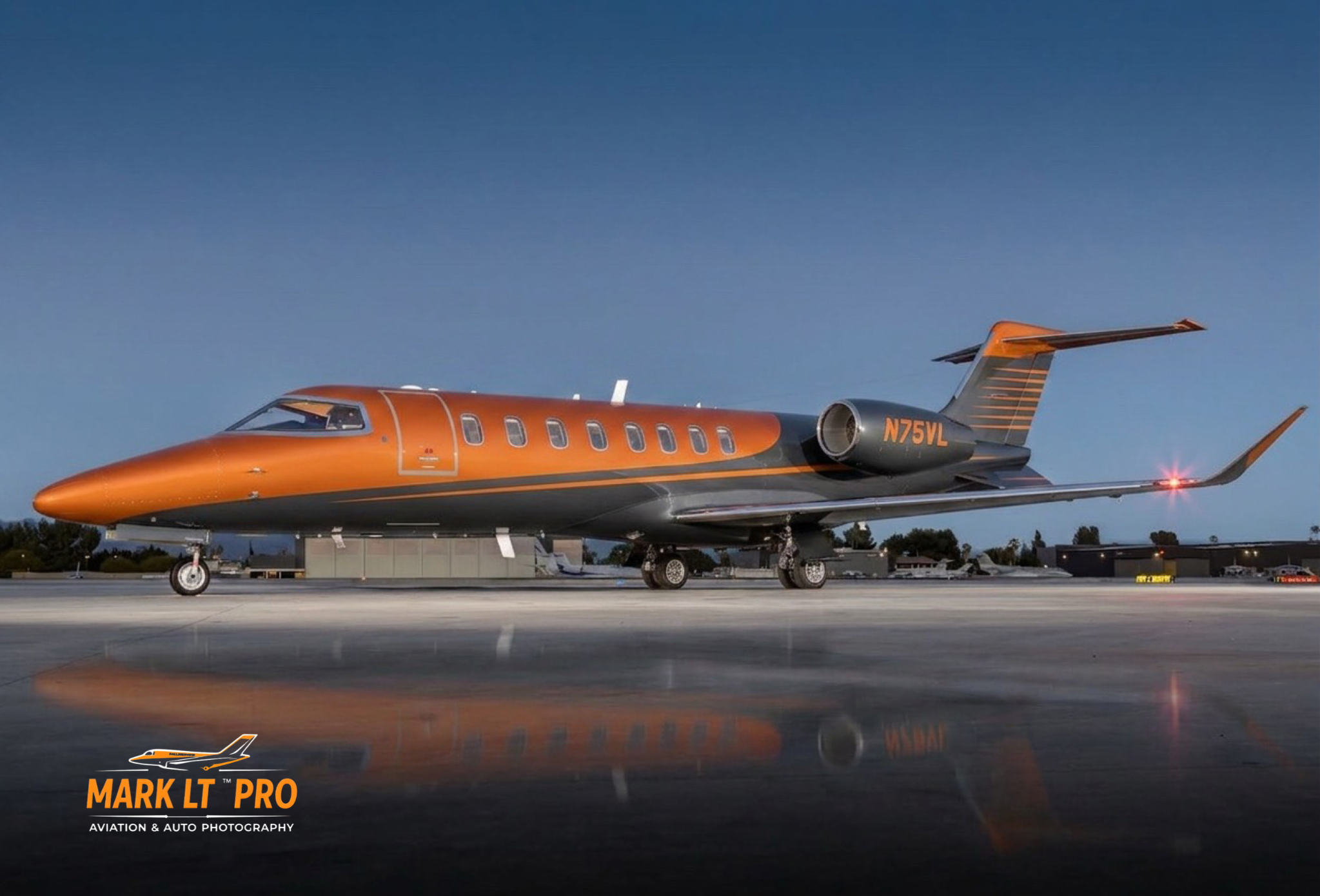
Explore low camera position, environmental framing, twilight natural light and wet-ramp reflections through two real-world aviation photography studies.
Enter Flightline Study →Move the controls and watch the lighting pattern change. This demonstration gives visitors a taste of the future Light & Shadow Academy app.
Side lighting reveals shape and texture because one side receives light while the opposite side falls into shadow.
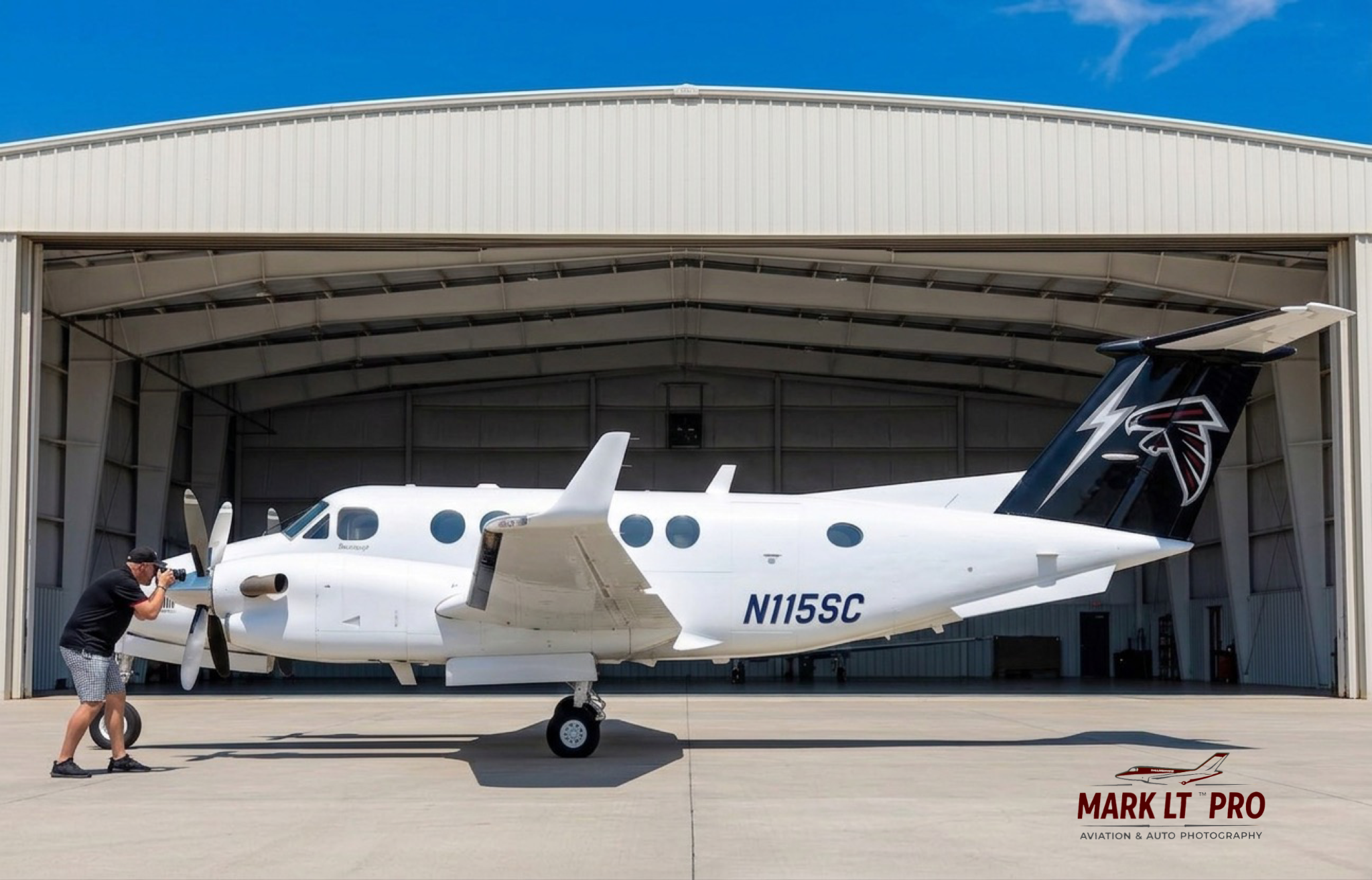
These examples use original Mark LT Pro aviation photographs. Instead of studying light only through diagrams, students can see how direct sunlight, reflections and cast shadows behave around an actual aircraft and photographer.
Hard midday light
The small, distant sun acts like a hard light source. Look beneath the wing, beneath the photographer and around the landing gear: the shadow edges are sharp, dark and easy to trace back toward the sun.
Directional contrast
In direct sun, the aircraft's upper surfaces receive intense light while the lower fuselage and photographer's far side hold deeper tones. A photographer must expose carefully so the white paint retains detail without turning flat.
The difference is not simply brightness—it is the apparent size of the light source relative to the subject.
Small or distant light sources create crisp shadows, stronger texture and higher drama. Midday sunlight and bare flash are common examples.
Large or close light sources wrap around the subject, creating gentle transitions and smoother detail. Overcast skies and softboxes are common examples.
Future lessons can include Canon EOS camera settings, field assignments, image critiques, lighting diagrams, quizzes, progress tracking and downloadable photography guides.
Stay connected with the Light & Shadow Academy for new lessons, flightline studies and photography updates.